how does testosterone replacement therapy work Testosterone trt
Testosterone is a hormone that is crucial for the development and maintenance of male physical and sexual characteristics. However, it is not just men who produce testosterone - women also produce small amounts of this hormone in their ovaries. In recent years, there has been an increasing interest in testosterone replacement therapy (TRT) as a treatment for low testosterone levels. TRT involves the administration of synthetic testosterone in the form of injections, gels, patches, or pellets. While TRT can be effective in boosting testosterone levels, it is not without its risks and side effects. It is important to understand both the potential benefits and risks of TRT before embarking on this treatment. One of the main benefits of TRT is an increase in muscle mass and strength. Testosterone plays a key role in the development and maintenance of muscle tissue, so a boost in testosterone levels can lead to an increase in muscle mass and strength. Another benefit of TRT is an improvement in bone density. Testosterone is essential for the growth and development of bones, so low levels of this hormone can lead to weakened bones and an increased risk of fractures. TRT can help to improve bone density and reduce the risk of fractures in people with low testosterone levels. TRT can also improve libido and sexual function in men with low testosterone levels. Testosterone is a key hormone in male sexual function, and low levels of this hormone can lead to a reduced sex drive and erectile dysfunction. TRT can help to improve these symptoms and restore sexual function. However, TRT is not without its risks. One of the main risks of TRT is an increased risk of heart disease. Testosterone has been linked to an increased risk of heart disease, particularly in older men and those with pre-existing heart conditions. It is important to discuss any pre-existing heart conditions with your doctor before starting TRT. Other side effects of TRT can include acne, oily skin, hair loss, and an enlargement of the prostate gland. It is important to discuss these potential side effects with your doctor before starting TRT. In conclusion, TRT can be an effective treatment for low testosterone levels, with benefits including an increase in muscle mass and strength, improved bone density, and improved libido and sexual function. However, TRT also comes with risks and potential side effects, including an increased risk of heart disease. It is important to discuss the potential benefits and risks of TRT with your doctor before embarking on this treatment.
If you are looking for How does testosterone work? you’ve visit to the right place. We have 5 Pictures about How does testosterone work? like How does testosterone work?, What Are the Benefits and Possible Side Effects of Testosterone and also Is Testosterone Replacement Therapy Safe? | EHormones MD. Here it is:
How Does Testosterone Work?
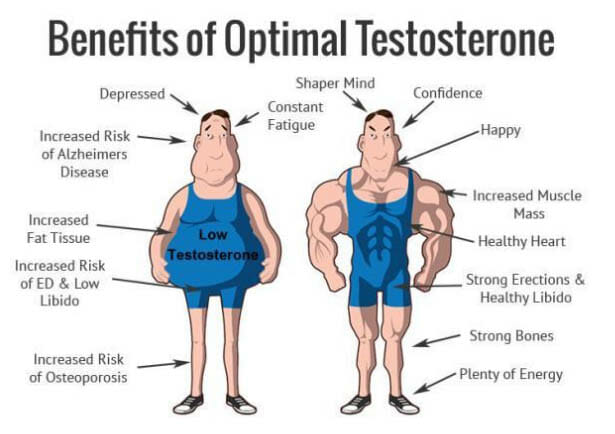 mynewsfit.comtestosterone
How Does Testosterone Replacement Therapy Work? - Own Health
 www.ownhealth.ustestosterone
Low Testosterone | Dallas Park Cities | Hypogonadism | Farmers Branch
 www.lowtpartners.comtestosterone trt
Is Testosterone Replacement Therapy Safe? | EHormones MD
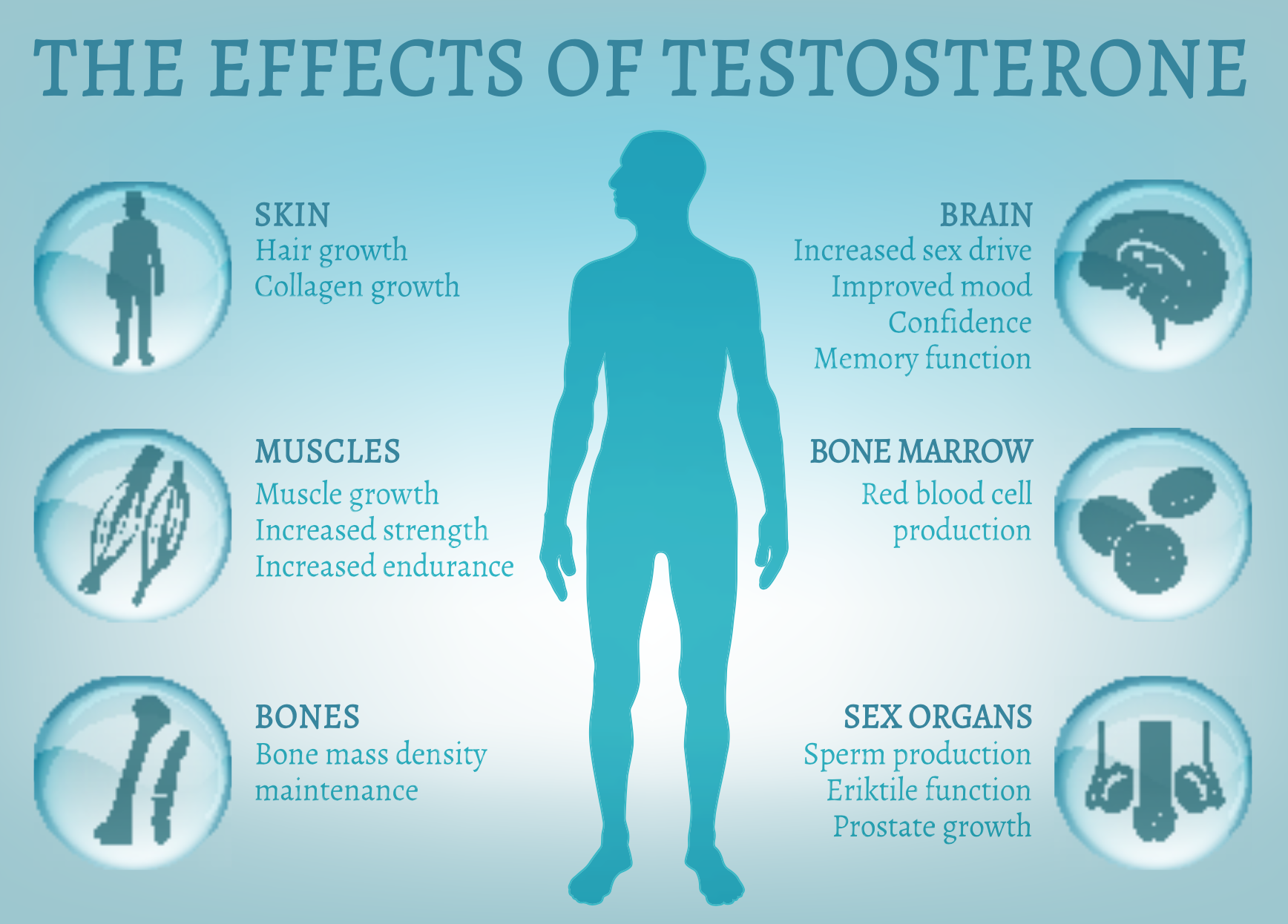 ehormones.comtestosterone trt
What Are The Benefits And Possible Side Effects Of Testosterone
 www.islamidugunorganizasyonu.netLow testosterone. How does testosterone work?. Testosterone trt